
What catheter manufacturing tells us about the value of process innovation
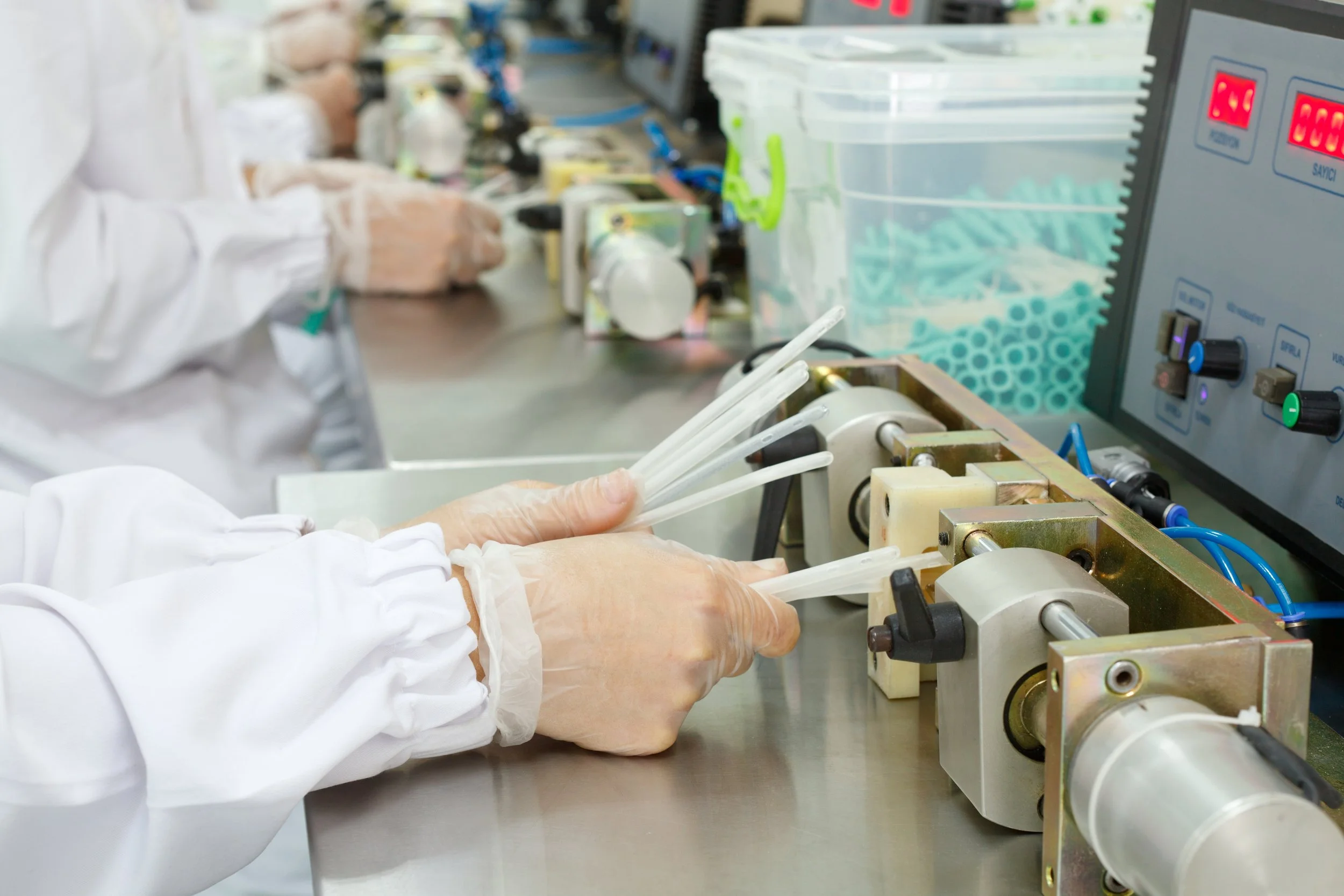
Zeus’ new XpanCore mandrel technology highlights how targeted improvements in the manufacturing process can support more complex medical device designs.
In medical device manufacturing, innovation is often most visible at the product level. A new device, a new clinical application or a new material can quickly attract attention. Yet some of the most important advances happen deeper inside the manufacturing process, where relatively specific technical improvements can make complex products easier, faster or more reliable to produce.
A recent article from MD+DI highlights Zeus’ launch of XpanCore, a heat-activated mandrel technology developed to support the assembly of metallic laser-cut hypotube constructions used in catheter manufacturing. The technology is designed to expand when heat is applied, helping manufacturers manage liner placement, sizing and adhesion during catheter assembly.
The story is a useful reminder that manufacturing innovation is not always dramatic from the outside. Sometimes it is about solving a narrow, persistent problem that has a significant impact on production performance.
Catheter design has become increasingly sophisticated. Laser-cut hypotubes are used in many interventional devices because they can offer strength, flexibility and kink resistance. These properties are valuable in devices that need to navigate the body safely and effectively, but they also create manufacturing challenges. As shaft designs become more advanced, the relationship between materials, tolerances, liners and assembly processes becomes more critical.
One of the issues described in the article is the challenge of getting a liner close to the internal diameter of a laser-cut hypotube without creating damage during insertion. If the liner is oversized, insertion can become difficult and may lead to tearing, kinking or wrinkling. If it is undersized, the fit and adhesion may not meet the required performance standard. XpanCore is positioned as a processing aid that allows the liner to be inserted with more clearance before expanding under heat to support a closer fit.
The importance of this type of innovation lies in the detail. Better liner placement may not sound transformative in isolation, but in medical device manufacturing it can affect yield, repeatability, production time, material waste and confidence in the build process. Small points of friction in production can become expensive when they create scrap, rework or variability.
This is particularly relevant in regulated and high-value manufacturing environments. Where products have demanding performance requirements, process reliability becomes part of product quality. The ability to manufacture consistently is not separate from innovation. It is one of the factors that determines whether innovation can be adopted at scale.
The MD+DI article also notes that XpanCore may help reduce reliance on more complex approaches, such as pressurised systems, to place and secure liners. That matters because simpler, more controlled processes can help manufacturers reduce operational risk. If a process becomes easier to perform, easier to repeat and easier to validate, it can improve confidence across both technical and commercial teams.
There is also a broader materials story here. Zeus has been active in catheter-related polymer technologies, including liners, mandrels and next-generation alternatives designed to support performance and, in some cases, sustainability goals. The future of medical device manufacturing is likely to depend on this kind of materials-led and process-led innovation, particularly as companies respond to tighter performance demands, changing regulatory expectations and pressure to reduce waste.
For SMEs and specialist manufacturers, the lesson is that process improvement should not be seen as secondary to product development. A company may already have a promising product, component or technical capability, but the route to commercial success often depends on making the manufacturing process more robust.
That may mean improving tooling, changing materials, reducing manual variation, introducing digital process control, testing new production methods or finding ways to reduce scrap. These improvements may not always create an obvious headline, but they can create real value.
Health and Life Sciences manufacturing depends on this balance between product ambition and process discipline. New ideas need to be manufacturable. Advanced designs need production routes that can support them. Materials need to perform not only in theory, but also through the conditions of assembly, testing and use.
The XpanCore story captures that point well. It is not simply about a new mandrel. It is about how targeted technical improvements can remove barriers from the manufacturing process and allow more advanced device designs to move forward with greater confidence.
For companies working in advanced manufacturing, MedTech or related Health and Life Sciences sectors, it is a reminder to look closely at the process as well as the product. The next innovation opportunity may not be a new device concept. It may be a smarter way to make an existing one.
Original article: Read the original MD+DI article. Key source details: MD+DI reports that Zeus launched XpanCore on 15 June 2026, describing it as a heat-activated mandrel technology designed to streamline laser-cut hypotube assembly and reduce manufacturing time, scrap and process variability.