
Why MedTech SMEs need support to move from innovation to export readiness
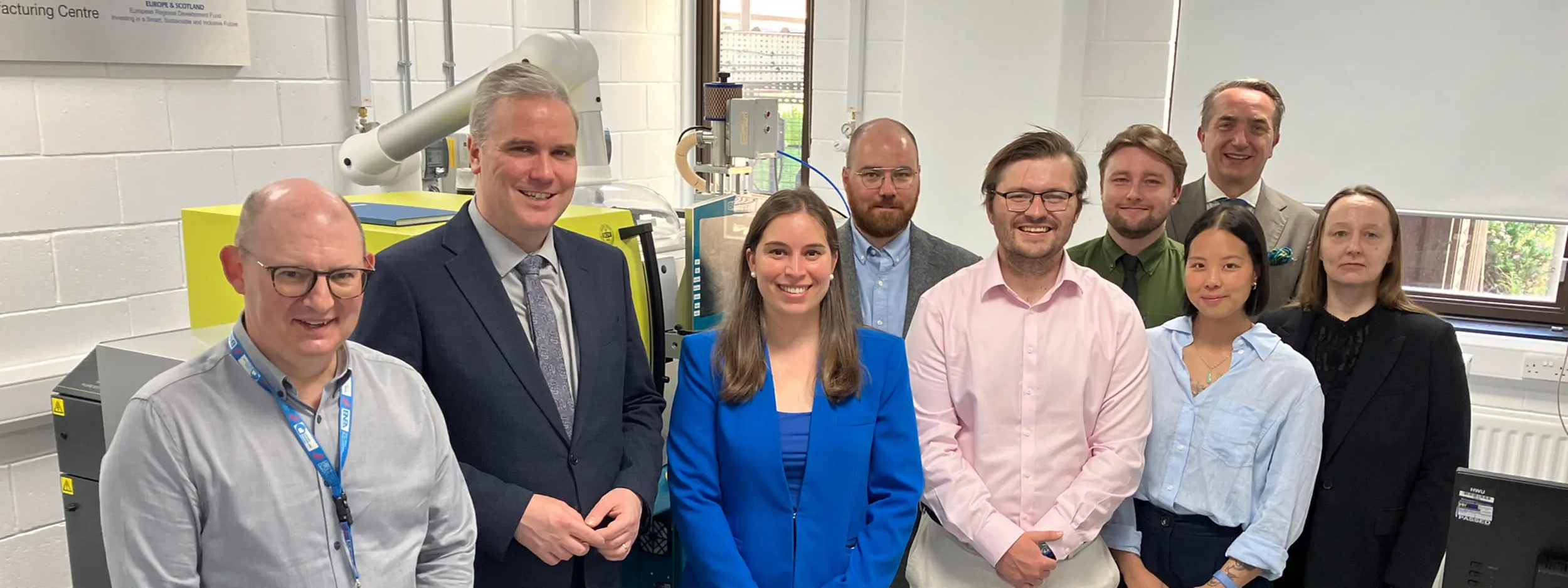
A Scottish MedTech support initiative highlights how specialist guidance, regulatory planning and manufacturing expertise can help smaller companies prepare for international markets.
For many MedTech companies, the challenge is not a lack of ambition. It is the difficulty of moving from a promising product or prototype into regulated, international markets.
A recent Heriot-Watt University news story highlights how 79 Scotland-based MedTech companies have moved closer to international regulatory approval through support from the Medical Device Manufacturing Centre. The centre, led by Heriot-Watt University, brings together partners including the universities of Glasgow, Edinburgh and Dundee, and Robert Gordon University.
The support has focused on helping life sciences SMEs understand and navigate regulatory routes, with a strong emphasis on access to the United States Food and Drug Administration, as well as UK and EU markets. For early-stage and growth-stage medical device companies, that kind of guidance can be decisive.
Medical device innovation rarely follows a simple path. A company may begin with a clear clinical problem, a founder with deep experience, or a promising technical concept. However, turning that idea into a product that can be used, trusted and sold internationally requires much more than invention.
Regulation is one of the most significant barriers. Medical devices need evidence, documentation, risk management, quality systems and a clear understanding of the requirements in each target market. A company may have a strong product, but if the regulatory route is unclear, progress can slow down quickly.
The Heriot-Watt story notes that the MDMC has provided free, specialist advice to Scottish life sciences SMEs over the last four years. The work included bespoke consultancy, workshops and training, helping companies develop clearer roadmaps, connect with experts and reduce some of the uncertainty around regulatory approval.
That matters because smaller MedTech companies often operate with limited resources. They may have strong technical capability, but not a large regulatory team. They may understand the clinical need, but not yet know how to structure documentation for the US, UK or EU. They may be ready to speak to investors, but need a clearer plan for how the product will move through development, approval and market entry.
The cost of getting this wrong can be significant. Poor regulatory planning can delay product development, increase costs, weaken investor confidence and create avoidable redesign work. In some cases, a product may need to be reworked because important regulatory or manufacturing considerations were not addressed early enough.
This is why support at the right stage can make such a difference. The article quotes Professor Marc Desmulliez, who describes regulation as one of the biggest hurdles facing young MedTech companies. He notes that a full regulatory file for the US market alone can cost tens of thousands of pounds, which can be a major challenge for early-stage businesses.
The story also shows how wide the MedTech innovation landscape can be. The companies supported include innovations ranging from respiratory devices for children with cystic fibrosis to products designed to absorb leaks from stoma bags. Other areas mentioned include diabetes, vascular care, digital health and devices for people living with chronic conditions.
That spread is important. MedTech is not one market or one type of product. It includes highly engineered devices, digital tools, assistive products, diagnostics, implants, monitoring systems and specialised components. What these companies often have in common is the need to combine clinical relevance with practical development, manufacturing readiness, evidence and market access.
The MDMC’s wider role also goes beyond regulation. Heriot-Watt describes the initiative as sitting within a broader offer of low-cost manufacturing, prototyping and sustainability expertise for Scottish medical device companies. This combination is particularly relevant because regulatory approval and manufacturing readiness are closely connected.
A product cannot be assessed in isolation from how it is made. Materials, tolerances, production methods, testing, packaging, usability and documentation all influence whether a medical device can progress. For SMEs, access to prototyping and manufacturing expertise can help expose problems earlier, before they become expensive barriers.
The article also reports that MDMC activity has supported over 178 companies, representing around 65% of Scotland’s medical device manufacturing base, and has helped facilitate significant investment into Scottish MedTech. It notes that companies have used the support to develop or improve prototypes, strengthen regulatory documentation, engage with regulators and build stronger cases for investors.
This is a useful reminder that commercialisation is not only about sales. For MedTech SMEs, commercialisation often depends on a chain of connected capabilities: product design, clinical need, regulatory planning, manufacturing process, evidence generation, investor confidence and export strategy.
Export readiness is another important part of the story. Scotland’s life sciences sector is described as a major economic contributor, with MedTech accounting for a significant share of exports. The companies receiving support are not only trying to develop useful products. They are trying to reach international healthcare markets where regulation, procurement and competition can be complex.
For smaller companies, international opportunity can be attractive but difficult. The US market, in particular, can offer scale, but it also demands preparation. Companies need to understand regulatory requirements, market expectations, clinical pathways, reimbursement considerations and competitive positioning. Without specialist guidance, these issues can become a barrier rather than an opportunity.
The Heriot-Watt story is therefore not just about one support initiative. It reflects a broader truth about Health and Life Sciences innovation. Good ideas need the right conditions around them. They need technical support, regulatory insight, manufacturing knowledge, commercial planning and access to relevant networks.
For SMEs developing medical devices, the lesson is clear. Regulatory and manufacturing questions should not be left until the end of the process. They should shape development from an early stage. A clearer roadmap can help companies make better decisions, reduce risk and build confidence with partners, investors and potential customers.
The most successful MedTech businesses are often those that understand the whole journey from unmet need to market adoption. They do not treat product development, regulation, manufacturing and export as separate stages. They connect them.
That is what makes this kind of support model interesting. It recognises that smaller companies may have strong ideas but need targeted expertise at the right time to move forward. For Health and Life Sciences SMEs, that support can be the difference between a promising prototype and a product with a credible route to international markets.
The Scottish example also highlights the importance of regional ecosystems. Universities, government agencies, enterprise bodies, technical experts and companies all have a role to play in helping innovation move from research and development into real-world use.
MedTech innovation is difficult, but the potential impact is significant. When smaller companies can access the right support, they are better placed to develop safe, effective products, attract investment, create skilled jobs and reach patients beyond their home market.
The message is simple: innovation does not reach global markets by accident. It needs structure, evidence, expertise and support.
Original article