
Open-source MRI highlights the manufacturing challenge behind accessible diagnostics
A low-field MRI project shows how additive manufacturing and open engineering can reduce
equipment costs, while also underlining the importance of validation, quality and clinical
evidence.
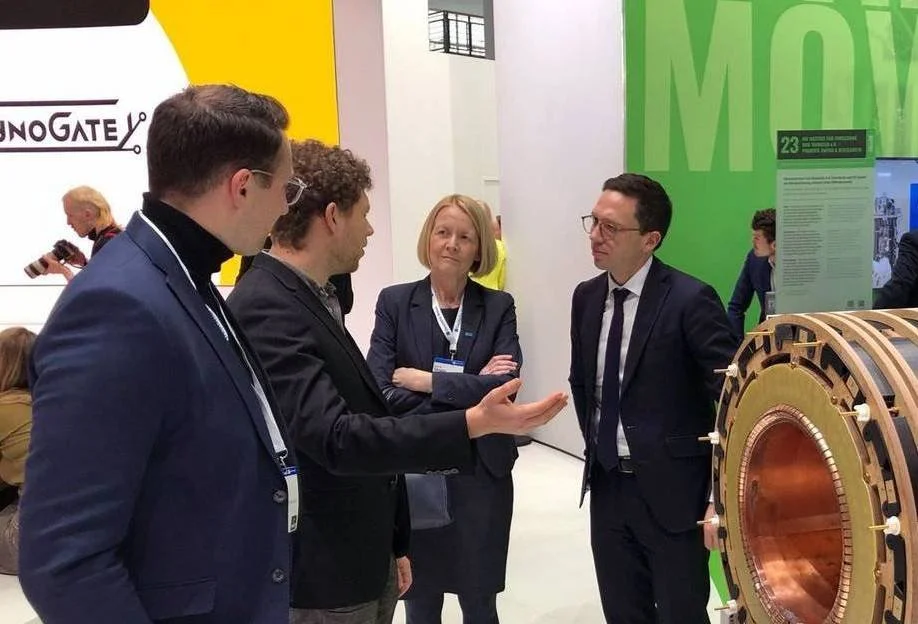
An open-source low-field MRI system has attracted renewed attention after reports highlighted that its core can be produced using 3D printing and that the overall system can be built for a fraction of the cost of a conventional scanner.
The OSI² ONE project is developing a modular 50 mT MRI scanner for head and extremity imaging. The Open Source Imaging Initiative estimates material costs of approximately €25,000 to €60,000, depending on configuration. The system is designed to be portable, operate from a standard power supply and use openly available hardware and software resources.
The project provides an interesting example of how additive manufacturing, open design and lower-cost components could broaden access to diagnostic technology. However, the manufacturing challenge extends well beyond producing physical parts. Imaging performance, calibration, software, electromagnetic safety, repeatability, serviceability and clinical validation all influence whether a system can move from an engineering platform into routine healthcare use.
For SMEs developing diagnostic or medical technologies, the wider lesson is that affordability and manufacturability need to be considered alongside regulatory evidence and product performance. Open engineering can shorten experimentation and improve access to technical knowledge, but a credible route to market still depends on controlled processes, documented design decisions and evidence that the completed system performs consistently in its intended setting.
Original article