
MedTech partnerships can shorten the route from clinical need to validated product
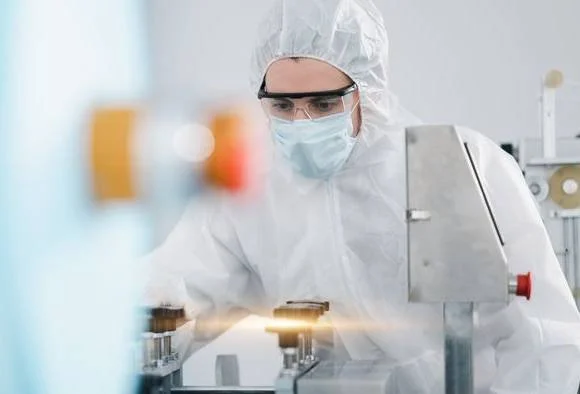
A new collaboration between SCTIMST and Tata Elxsi shows how clinical, research and engineering capabilities can be connected to support medical technology development and scale-up.
Sree Chitra Tirunal Institute for Medical Sciences and Technology and Tata Elxsi have announced a partnership to develop next-generation healthcare technologies and medical devices.
The collaboration brings together clinical and biomedical research expertise with product engineering, design, artificial intelligence and digital technology capabilities. Its areas of interest include diagnostics, medical imaging, digital health, biomedical engineering and medical devices for Indian and international markets.
A particularly relevant feature is the intention to create an extended innovation environment connecting clinicians, specialist researchers, laboratories, prototyping infrastructure and engineering teams. The partnership also includes capabilities in areas such as biocompatibility, toxicology, product validation and intellectual property creation.
For SMEs, the announcement reflects a wider lesson about the route from a promising healthcare idea to a manufacturable and validated product. Clinical insight can help establish whether a problem is worth solving, but engineering development, materials assessment, verification, regulatory planning and production considerations must be connected early enough to influence the design.
Partnerships that combine these capabilities can reduce hand-offs between separate organisations and expose technical or regulatory risks before they become expensive redesign problems. The value lies not only in access to facilities, but in creating a coordinated development pathway from identified clinical need through prototyping, validation and preparation for scale.
Original article