
Lower-carbon inhaler approval signals a new manufacturing transition
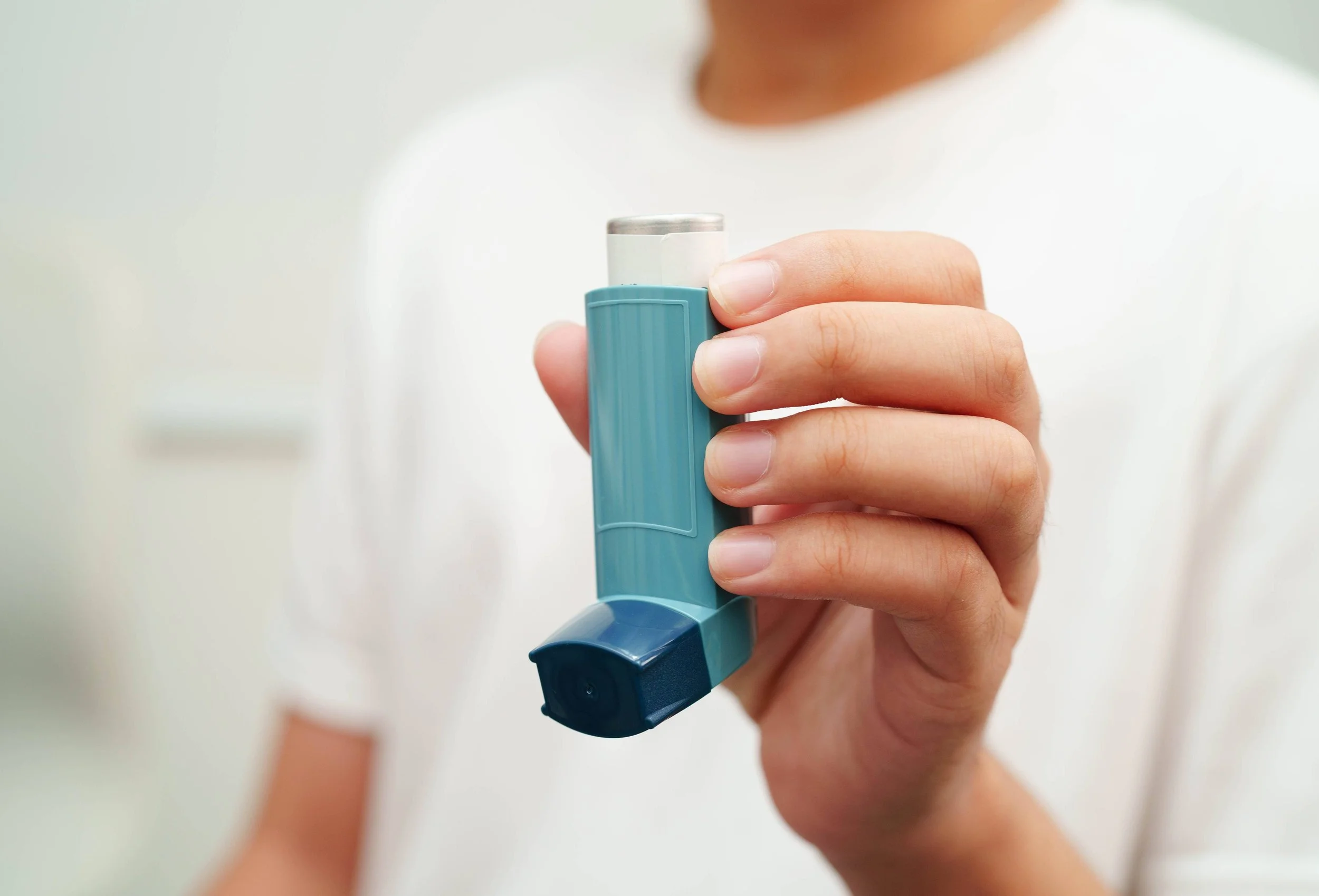
The UK’s authorisation of an inhaler using a next-generation propellant shows how sustainability changes must be delivered without compromising product quality, safety or performance.
The Medicines and Healthcare products Regulatory Agency has approved new versions of Chiesi’s Clenil Modulite inhalers using HFA-152a, a next-generation propellant with a lower environmental impact.
The approval is significant because the active ingredient, dosage and therapeutic indication remain unchanged. The manufacturing challenge has therefore been to introduce a different propellant while demonstrating comparable product performance and maintaining established standards of quality, safety and clinical benefit.
For Health and Life Sciences manufacturers, this is a useful example of sustainability-led product development in a regulated environment. Changing a material or formulation component can affect filling processes, device components, aerosol behaviour, process controls and validation requirements. Environmental improvement must be engineered into the product and production system rather than treated as a separate commitment.
The new versions are expected to become available in the UK later in 2026. Their approval illustrates how regulation, materials innovation and manufacturing capability can combine to support lower-impact healthcare products while preserving the outcomes expected by patients and clinicians.
Original article
MHRA approves world's first lower-carbon beclometasone inhalers for patients with asthma
Medicines and Healthcare products Regulatory Agency, published 21 July 2026