
Galway 3D Printing Process Streamlines Catheter Manufacturing
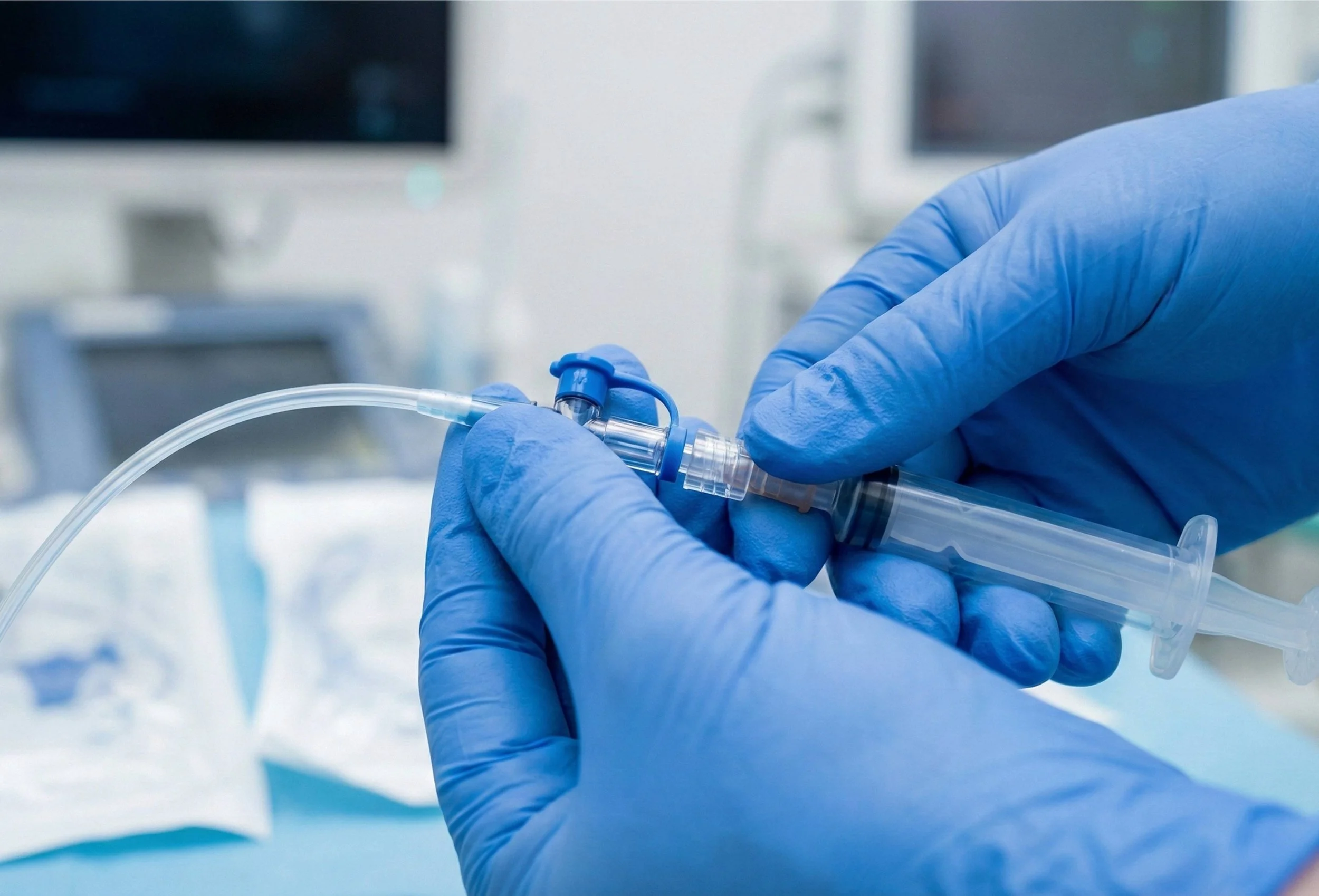
TE Connectivity has introduced an automated process that applies multiple polymer sections directly onto catheter shafts, replacing a predominantly manual assembly route.
TE Connectivity has introduced a new automated 3D printing process for catheter shafts at its PROPELUS Prototype Center in Galway.
Catheter shafts often combine several polymer jacket sections, each providing different levels of flexibility along the device. These transitions are commonly created through a largely manual assembly process. TE’s new approach applies the polymer sections directly onto the shaft during production, with the aim of improving speed, consistency and repeatability while reducing manufacturing cost.
The development is a useful example of additive manufacturing being applied to a specific production constraint rather than used solely for prototyping. It brings material placement, component performance and process automation together within the manufacture of a complex medical-device component.
For SMEs developing catheter-based or other multi-material medical technologies, the wider lesson is the importance of designing the product and its production method together. Material behaviour, dimensional control, process monitoring, validation and transfer into repeatable manufacturing all need to be considered before a new process can support regulated production.
The work was developed by TE Connectivity’s Advanced Technology Group within its Medical business in Galway, highlighting the advanced manufacturing capability present within Ireland’s MedTech ecosystem.
Original article
TE Connectivity adds 3D printing for catheter shafts, Medical Design & Outsourcing, 28 July 2026
https://www.te.com/en/about-te/news-center/propelus-prototyping-3d-printing-process.html