
ChromWatch prepares bioprocess monitoring technology for commercial deployment
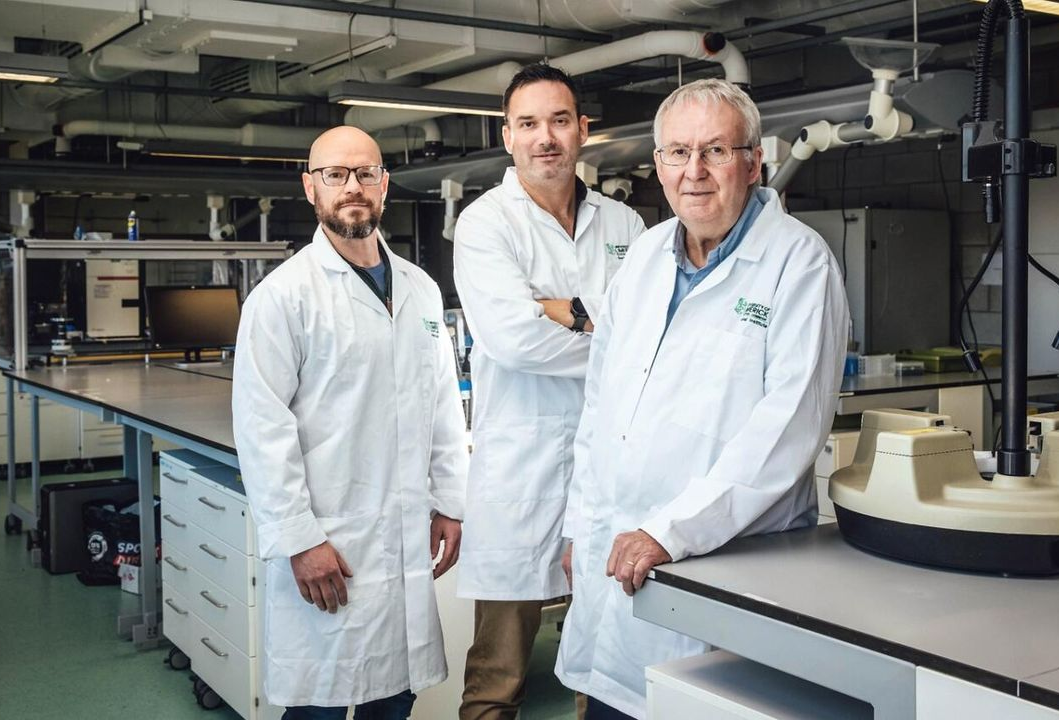
Limerick-based MedTech company ChromWatch is preparing its real-time bioprocess monitoring platform for commercial deployment, while expanding international customer discussions and planning a €700,000 funding round.
Limerick-based MedTech company ChromWatch is preparing to move its bioprocess monitoring technology towards commercial deployment, with Enterprise Ireland reporting that the company is in discussions with potential customers in the UK, Switzerland and the US and expects to raise €700,000 in its next funding round later this year.
Founded in 2024 and based at the University of Limerick, ChromWatch is developing a process analytical technology platform designed to improve the way buffer solutions are monitored and controlled during biopharmaceutical manufacturing. The company describes its ambition as providing a type of “Google Maps for bioprocessing”, giving manufacturers faster and more direct information on what is happening within the process.
The underlying technology combines low-field nuclear magnetic resonance with proprietary algorithms to measure buffer pH and concentration in real time. According to the company, the system can analyse and calculate required adjustments in around two minutes, replacing processes that can otherwise rely on slower, manual titration and repeated sampling.
The manufacturing relevance lies in the potential to reduce process delays, improve consistency and strengthen control of a critical part of downstream biopharmaceutical production. For companies moving from laboratory development towards larger-scale manufacturing, technologies that can provide faster process feedback can help reduce bottlenecks, protect valuable product and support more repeatable production.
For NWCAM2, ChromWatch is a useful example of the challenges that sit between a strong technical concept and commercial manufacturing. The company is now moving beyond technical development into customer validation, international market engagement and capital raising, stages where product performance, manufacturability, regulatory requirements, integration with existing production environments and commercial readiness all have to come together.
It also highlights the wider opportunity for SMEs working across MedTech and life sciences manufacturing to combine specialist sensing, data analysis and process engineering to solve very specific production problems. Innovation does not always require an entirely new manufacturing system; significant value can come from making an existing process faster, more measurable and easier to control.
Original article