
What a CE-marked eye implant tells us about the path from breakthrough technology to patient access
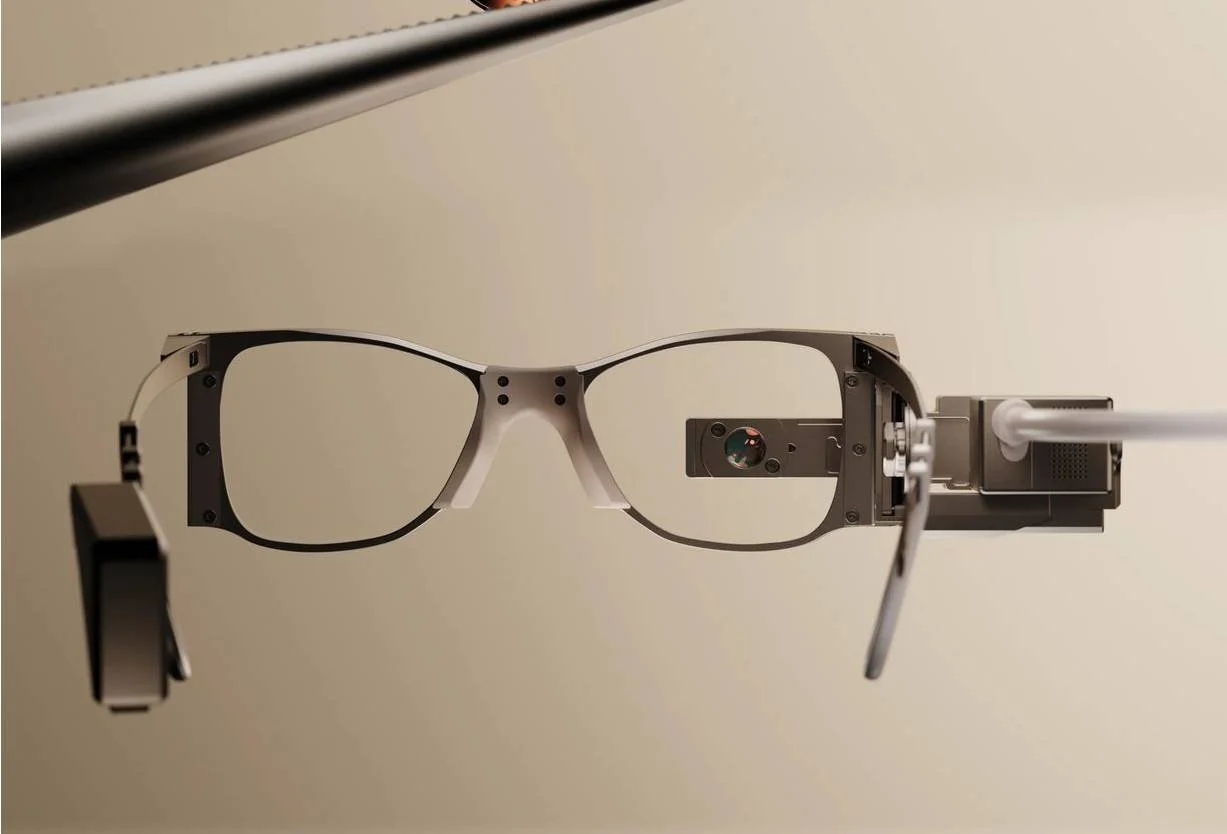
Science Corporation’s European launch of PRIMA highlights how advanced MedTech innovation must connect clinical evidence, regulatory approval and commercial readiness.
Advanced medical technology often begins with a technical breakthrough, but its real impact depends on whether that breakthrough can be translated into a safe, regulated and accessible product.
Science Corporation’s European commercial launch of PRIMA is a strong example of this journey. PRIMA is a visual prosthesis designed for people with geographic atrophy caused by age-related macular degeneration, a leading cause of blindness. The company has announced that PRIMA has received CE marking under the European Union Medical Device Regulation, authorising commercial availability across 30 European countries.
The technology is notable because it sits at the intersection of several advanced MedTech fields. PRIMA combines an implantable device, specialist glasses, near-infrared light projection and wireless stimulation to support functional central vision. The system uses a small subretinal photovoltaic implant, paired with glasses that project light to the implant. The implant then converts that light into electrical stimulation signals.
This is not simply a story about a new device. It is a story about what it takes to move complex medical technology from research and clinical development into regulated use.
For companies working in Health and Life Sciences innovation, the route to market is rarely straightforward. Clinical need may be clear, and the technology may be promising, but medical devices must also meet demanding expectations around safety, performance, usability, evidence, manufacturing quality, regulatory approval and patient access. Each of these stages can shape whether an innovation reaches the people it is intended to help.
The PRIMA announcement shows the importance of clinical evidence in this pathway. Science Corporation states that the device was evaluated in a multi-centre clinical trial involving 38 patients across 17 clinical sites in five countries, with results published in the New England Journal of Medicine. According to the company, the study showed improvements in functional vision, including patients reporting the ability to read letters, numbers and words.
That evidence base matters because advanced medical devices must demonstrate more than technical possibility. They must show meaningful clinical value, supported by data that clinicians, regulators, healthcare systems and reimbursement bodies can assess.
The CE mark is also significant. For MedTech companies, regulatory approval is not a final administrative step. It is a core part of the innovation process. Product design, evidence generation, risk management, quality systems, clinical validation and documentation all need to be considered throughout development. If these areas are treated too late, they can become major barriers to adoption.
This is especially true for highly complex devices. PRIMA brings together implantable technology, optics, electronics and patient-facing hardware. These kinds of convergent technologies can create major clinical opportunities, but they also increase the importance of integrated development planning. The product must work as a system, not as separate technical components.
The announcement also highlights the importance of commercial readiness after regulatory approval. Science Corporation notes that country-specific reimbursement applications and clinical site activations are underway across Europe. This is an important reminder that regulatory approval does not automatically create market access. Companies still need to consider healthcare adoption, reimbursement, clinical training, service delivery and patient pathways.
For SMEs and innovation-led companies, this is one of the most important lessons. The success of a MedTech product depends not only on whether it can be built, but whether it can be evidenced, approved, manufactured, reimbursed and adopted. These are connected challenges.
The story is also relevant because it shows how advanced medical technologies are becoming more integrated. Future MedTech products are increasingly likely to combine hardware, software, sensors, electronics, data, materials, clinical workflows and regulated manufacturing processes. This increases the need for collaboration between engineers, clinicians, researchers, manufacturers, regulatory specialists and commercial teams.
That type of collaboration is essential for Health and Life Sciences innovation. No single discipline can carry a complex medical device from concept to patient use. Technical development needs to be connected to clinical need. Clinical evidence needs to be connected to regulation. Regulation needs to be connected to quality systems and manufacturing. Manufacturing needs to be connected to scale, reliability and market access.
PRIMA’s European launch is therefore a useful signal for the wider MedTech sector. It shows how breakthrough innovation depends on more than invention. It depends on the ability to manage the full pathway from technical concept through to regulated product and patient access.
For companies developing advanced medical technologies, the message is clear. Innovation should be designed with the whole journey in mind. That includes early thinking around evidence, quality, regulatory requirements, manufacturability, reimbursement and commercial deployment.
As MedTech becomes more complex and more personalised, the companies best positioned to succeed will be those that can connect technical ambition with practical implementation. PRIMA is a reminder that the future of Health and Life Sciences innovation will be shaped not only by what is possible in the lab, but by how effectively new technologies can be translated into safe, usable and accessible products.
Original article