
Why MedTech innovators need a clearer path from development to manufacturing
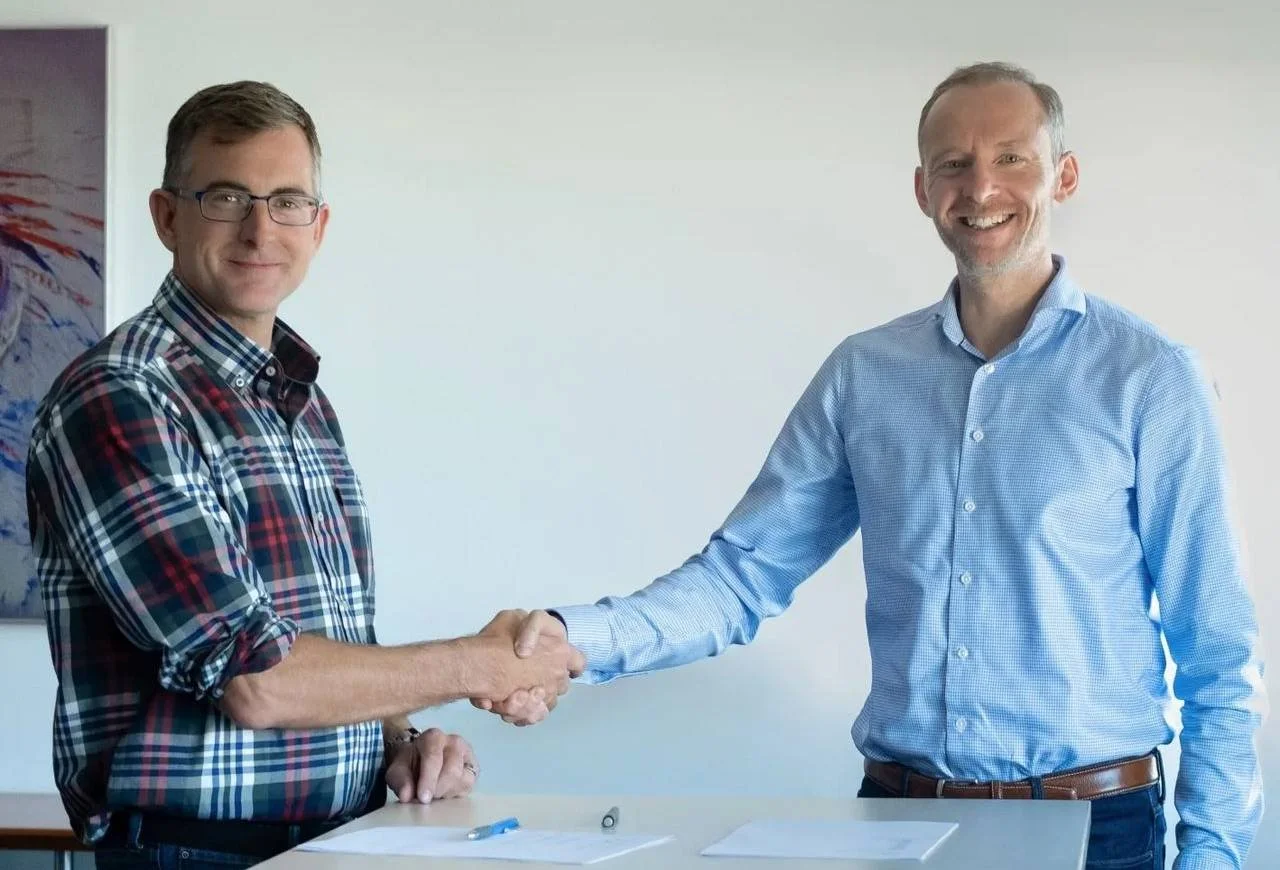
A new partnership between PDV MedTech and Corscience highlights the importance of connecting engineering, regulatory readiness and scalable production in medical device innovation.
Medical device innovation does not stop at the point where a product idea works in principle. For many MedTech companies, the more difficult challenge begins when a concept has to move from early development into a product that can be manufactured, regulated and adopted in clinical settings.
A recent partnership between PDV MedTech and Corscience highlights this challenge. The two companies have announced a strategic collaboration designed to give MedTech innovators a more complete pathway from early-stage development through to manufacturing and commercialisation.
PDV MedTech is a US-based medical device design, development and manufacturing organisation. Corscience, based in Germany, develops safety-critical medical technologies. Together, the companies aim to connect engineering expertise, development capability and manufacturing infrastructure across Europe and the United States.
The story is useful because it points to a common issue in MedTech: promising ideas can stall when development, regulatory planning and manufacturing are treated as separate stages rather than connected parts of the same journey.
In regulated medical device markets, technical performance is only one part of the challenge. Companies must also consider design for manufacturability, quality systems, regulatory readiness, production scale, cost targets, time to market and clinical use. A device may be technically strong, but if it cannot be manufactured reliably or prepared for regulatory approval, it will struggle to reach patients.
This is particularly important for smaller companies and innovation-led teams. Many early-stage MedTech businesses have deep clinical insight or a strong technical proposition, but may not have in-house access to specialist manufacturing knowledge, regulatory experience or scalable production capacity. That gap can create friction at exactly the point where momentum is needed.
The PDV MedTech and Corscience partnership is designed to reduce that friction. The collaboration brings together Corscience’s engineering capability in complex and safety-critical medical devices with PDV MedTech’s manufacturing infrastructure. It also gives European innovators access to PDV’s manufacturing capabilities, while giving US companies access to Corscience’s European development expertise and experience with the EU Medical Device Regulation.
That cross-border element is important. MedTech is an international market, but regulatory systems, customer expectations and manufacturing routes can vary significantly by region. Companies developing devices for both European and US markets need to understand how product design, evidence, regulation and manufacturing strategy connect across those geographies.
The partnership also reflects the growing need for flexible development and production models. Not every device company needs the same pathway. Some may need specialist support at the prototype stage. Others may need low-volume manufacturing for validation or early market entry. More mature companies may need medium or high-volume production. The right support depends on the product, the clinical application, the regulatory route and the commercial plan.
This is where design for manufacture becomes critical. A product that is difficult to produce consistently can create delays, cost increases and quality risks. Considering manufacturability early can help companies avoid redesign later in the process. It can also support smoother regulatory planning, because evidence, documentation and production controls are easier to manage when manufacturing requirements are understood from the start.
For safety-critical and connected medical devices, this is even more important. Products used in cardiovascular, emergency medicine or other high-risk clinical settings must meet demanding expectations. The device needs to work reliably, but it also needs to be manufacturable, testable, documentable and usable in real clinical environments.
The partnership between PDV MedTech and Corscience shows how MedTech development is becoming more integrated. Engineering, regulatory readiness and production planning are not separate tasks that happen one after another. They are connected capabilities that influence whether an innovation can move from concept to bedside.
For Health and Life Sciences companies, the wider message is clear. Innovation needs to be designed with the full pathway in mind. A strong product idea matters, but so does the route to manufacture, the evidence required for approval, the quality systems behind production and the commercial model that allows the product to scale.
This is especially relevant for SMEs developing medical technologies. A company may be focused on solving a clinical problem, but it must also think about how the product will be built, how it will be tested, how it will be regulated and how it will be adopted. These questions should not be left until late in development.
The PDV MedTech and Corscience collaboration is a reminder that successful MedTech innovation depends on more than invention. It depends on the ability to translate a good idea into a product that can be produced reliably, supported by evidence and delivered to the market with confidence.
As medical devices become more complex, connected and specialised, companies will need access to partners who understand both technical development and manufacturing reality. The strongest routes to market will be those that connect clinical need, engineering, regulation and scalable production from the beginning.
Original article