
Micromoulding Moves Earlier in Medical Device Development
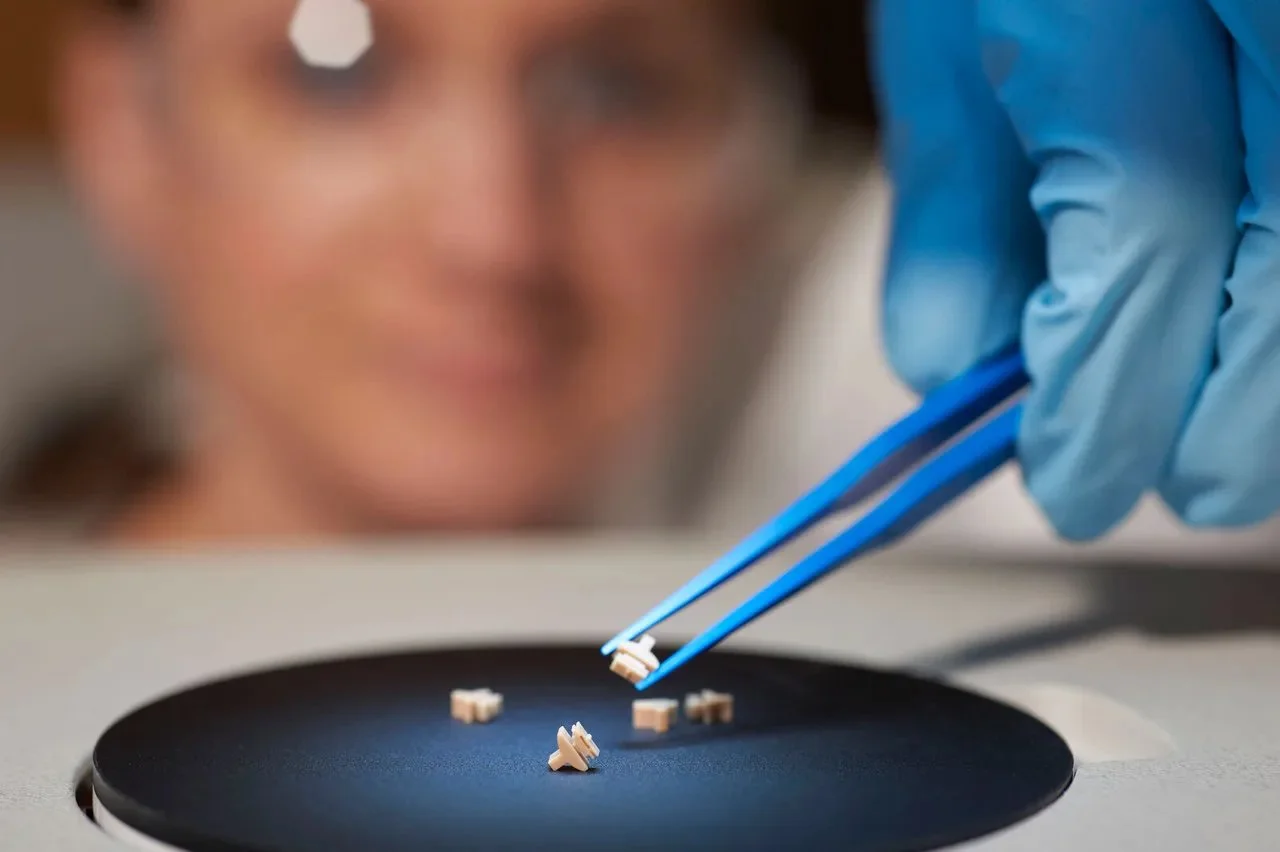
Growing demand for smaller, more complex implantable and diagnostic devices is making manufacturing input a much earlier part of product design.
A recent Plastics Today feature highlights how precision micromoulding is evolving in response to increasingly complex medical devices, including implantable products, wearable diagnostics, minimally invasive instruments and drug-delivery systems. The shift is not simply towards producing smaller components. Medical device developers are asking components to combine multiple functions, use advanced or bioabsorbable materials,
meet tighter tolerances and support more efficient assembly. This creates a stronger need to consider materials, tooling, inspection, validation and production scale together rather than as separate stages.
One of the clearest signals for SMEs is the growing importance of early design-for-manufacture collaboration. Bringing manufacturing specialists into development before tooling and design decisions are fixed can help identify material and process risks, reduce repeated design iterations and create a more reliable route from prototype to validated production.
The article also shows that specialist capability is increasingly multidisciplinary. Successful micromoulding programmes combine product design, material knowledge, tooling, automation, metrology, cleanroom processes and quality controls. For medical device innovators, the manufacturing challenge is therefore rarely solved by selecting a single machine or supplier. It requires an integrated development pathway in which product performance and scalable production are considered together.
Original article
Plastics Today, “Precision Micromolding Advances Enable Next-Generation Implantable
Medical Devices”, published 23 July 2026.
https://www.plasticstoday.com/medical/precision-micromolding-advances-enable-next-
generation-implantable-medical-devices